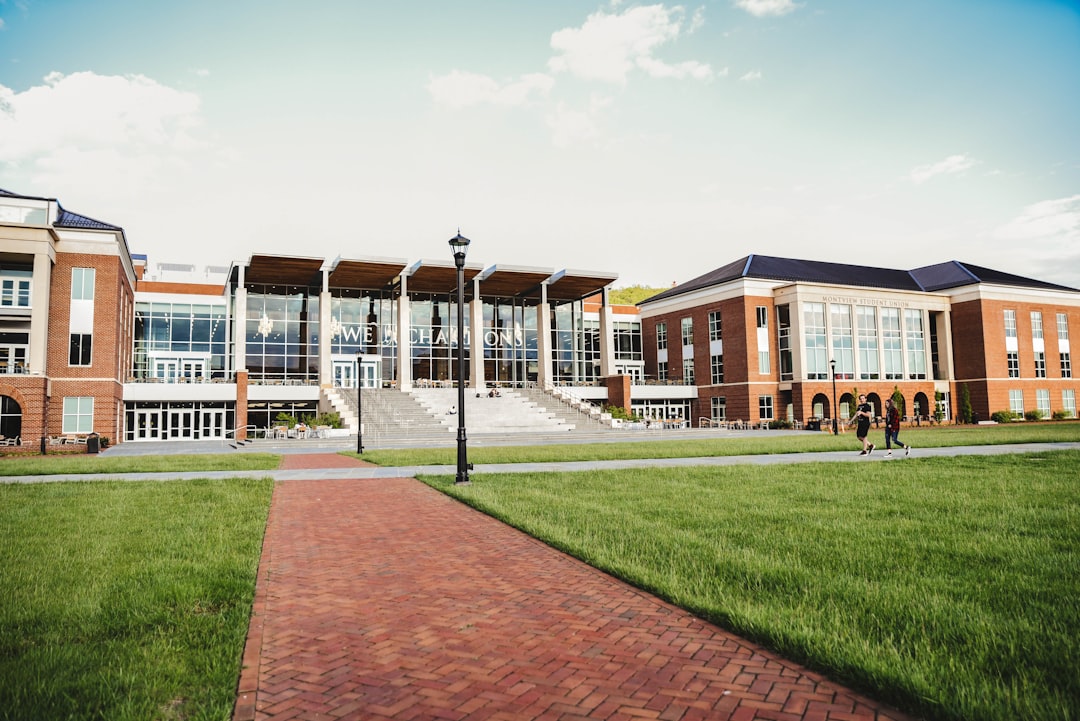
South Carolina's response to campus sexual assault is governed by state laws and federal regulations, primarily Title IX, which prohibits sex-based discrimination in education. Title IX law firms in South Carolina offer specialized guidance on navigating complex legal requirements, investigating allegations, and ensuring fair hearings. These firms preserve evidentiary integrity, understand policies, and stay updated on case law to improve outcomes. Comprehensive support services for students facing allegations include counseling, academic accommodations, and advocacy groups. Universities should partner with local title IX law firms and community organizations to establish robust support networks tailored to students' needs.
Sexual assault allegations on college campuses have become a pressing concern, with severe implications for students’ lives and futures. South Carolina, like many states, grapples with ensuring fair treatment under Title IX, a federal law prohibiting sexual discrimination in education. The complex nature of these cases demands meticulous legal strategy, especially when addressing sensitive issues surrounding consent and campus policies. This article delves into the challenges faced by students accused of assault, highlighting the critical role of an experienced Title IX law firm South Carolina advocates can provide. We explore strategies to navigate these complex allegations and ensure due process rights are protected.
Understanding Campus Sexual Assault Laws in South Carolina

In South Carolina, campus sexual assault allegations are governed by a complex interplay of state laws and federal regulations, particularly the Title IX law firm South Carolina advocates for. Title IX, a landmark federal law, prohibits sex-based discrimination in education, including instances of sexual harassment and assault. This legislation has significantly shaped the response to campus assaults, mandating that educational institutions have policies in place to address these issues effectively.
The state’s laws further delineate responsibilities for schools in handling allegations. Institutions must conduct prompt and impartial investigations, ensuring the privacy and safety of all parties involved. A crucial aspect is the right to a fair hearing, where both the accuser and accused have opportunities to present their cases. This process aims to uphold the principles of due process while addressing sexual misconduct seriously.
However, navigating these legal requirements can be complex. Students often face pressure and uncertainty when reporting assaults, while institutions must balance accountability with support for all students involved. A dedicated Title IX law firm South Carolina can offer invaluable guidance in these situations, ensuring that rights are protected and justice is served. They help interpret the law, facilitate investigations, and represent clients through disciplinary proceedings, ultimately contributing to a safer campus environment.
The Role of Title IX Law Firm South Carolina in Defense

In South Carolina, as across the United States, the legal landscape surrounding campus sexual assault allegations has become increasingly complex, with significant implications for both victims seeking justice and accused individuals safeguarding their reputations. Title IX, a landmark federal law designed to ensure equal opportunities in education, plays a pivotal role in this context, mandating that educational institutions respond appropriately to reports of sexual misconduct. When it comes to defending against such allegations, a specialized Title IX law firm South Carolina offers invaluable expertise.
A title IX law firm South Carolina focuses on navigating the intricate legal procedures and institutional policies related to sexual assault cases on college campuses. These firms are composed of attorneys who understand the specific requirements of Title IX and its implementing regulations. They employ strategies that not only challenge allegations but also ensure compliance with legal mandates, protecting both the rights of the accused and the integrity of educational institutions. By employing thorough investigations, expert witness testimony, and a deep understanding of case law, these firms help shape fair outcomes for all parties involved.
Considerations such as preserving evidentiary integrity, understanding institutional policies, and comprehending the evolving legal standards demand the expertise of a dedicated Title IX law firm South Carolina. For instance, missteps in handling evidence or procedural errors can compromise cases, underscoring the importance of professional guidance. Data suggests that proper legal representation significantly improves outcomes for those facing false accusations, emphasizing the crucial role these firms play in defending rights and maintaining justice within academic communities.
Investigating Allegations: Procedures and Student Rights

In South Carolina, investigating campus sexual assault allegations is a complex process governed by both institutional policies and federal laws like Title IX. A comprehensive inquiry ensures fairness for all parties involved while adhering to legal standards set by this significant legislation. A competent Title IX law firm in South Carolina can offer crucial guidance on procedures and student rights, helping institutions navigate these sensitive matters effectively.
The investigation typically begins with a report of sexual misconduct, which triggers a mandatory response from the institution. This includes gathering all relevant information, interviewing parties involved, and reviewing evidence. Experts recommend involving trained investigators who understand the nuances of such cases to avoid procedural errors and potential biases. Students accused of misconduct have rights too; they must be informed about the allegations against them, given an opportunity to respond, and assured of confidentiality throughout the process.
Data from the National Sexual Assault Survey reveals that many survivors face retraumatization during investigations, emphasizing the need for sensitive handling. A well-structured investigation should aim to minimize this impact by providing support services and ensuring a safe environment for all participants. Furthermore, institutions must be mindful of time frames; according to Title IX guidelines, investigations should be completed within a reasonable period, typically within 60 days from the date the complaint is filed.
Practical advice for campus administrators includes training staff on investigation protocols, regularly reviewing policies, and fostering an open dialogue about resources available to support survivors and accused students alike. Engaging a specialized Title IX law firm in South Carolina can offer tailored strategies and ensure compliance with legal requirements, ultimately contributing to a fair and effective resolution process.
Building a Strong Case Against Accusations

In the complex landscape of campus sexual assault allegations, building a strong case requires meticulous navigation through intricate legal processes. South Carolina’s adherence to Title IX law, which prohibits sex-based discrimination in education, including sexual harassment and assault, necessitates strategic approaches. A seasoned Title IX law firm South Carolina can offer invaluable expertise, guiding survivors and their advocates towards justice.
Central to a robust case is gathering compelling evidence. This involves documenting medical records, interviewing witnesses, and preserving digital traces relevant to the incident. According to the National Sexual Assault Survey, nearly 1 in 5 women experience sexual assault while in college, highlighting the critical need for thorough investigations. Legal professionals can assist in ensuring that all potential avenues of proof are explored, from text messages to security footage, to strengthen the victim’s narrative.
Expert testimony and legal strategies tailored to South Carolina’s legislative framework play a pivotal role. A title IX law firm South Carolina often engages experts in psychology, forensics, and higher education policy to provide insights that may be crucial in court. For instance, understanding the concept of “consent” as defined by state and federal laws is essential. By presenting well-researched arguments and expert opinions, survivors can navigate the legal system more effectively, aiming for resolutions that not only address the immediate issue but also contribute to a culture of prevention and accountability on campuses across South Carolina.
Support Services for Students Facing Legal Battles

Students facing sexual assault allegations at South Carolina colleges and universities navigate a complex legal landscape, often feeling overwhelmed and unsupported. This is where specialized legal defense and support services play an indispensable role in ensuring their rights are protected under both state laws and federal regulations, such as Title IX. Many students are unaware of the resources available to them until they find themselves in these challenging situations.
One critical aspect of supporting students in these cases is providing access to experienced legal counsel who specialize in campus sexual assault litigation. A title IX law firm South Carolina offers expertise in navigating complex legal procedures, understanding institutional policies, and advocating for students’ rights. These firms often collaborate with student advocates to build strong defenses, protect privacy, and minimize the impact of allegations on academic and personal lives. For instance, a study by the National Sexual Assault Hotline found that 70% of survivors who received legal support reported improved outcomes in their cases.
Additionally, comprehensive support services should encompass counseling, academic accommodations, and advocacy groups. Counseling services help students process emotions, maintain mental well-being, and develop coping strategies during the legal process. Academic accommodations ensure that students can continue their education without undue hindrance, allowing them to focus on their studies while their cases unfold. Advocacy groups provide peer support, fostering a sense of community among students facing similar challenges. South Carolina universities should collaborate with local title IX law firms and community organizations to establish robust support networks, ensuring students receive holistic assistance tailored to their unique needs.
Related Resources
Here are some authoritative resources for an article on legal defense for campus sexual assault allegations in South Carolina:
- National Sexual Assault Hotline (Government Resource): [Offers crisis support and information about legal rights for survivors, which can be valuable for understanding the broader context of campus cases.] – https://www.rainn.org/
- South Carolina Code of Laws (Legal Database): [Provides access to state laws related to sexual assault, including legislation specific to colleges and universities, crucial for understanding the legal landscape.] – https://www.scstate.dpw.sc.gov/law/sccode/
- University of South Carolina School of Law Library (Academic Library): [This library offers a wealth of legal research resources, including case studies and academic articles on campus sexual assault defense strategies.] – https://library.law.sc.edu/
- National Association of Student Persons (NASP) (Professional Organization): [A resource for understanding student rights and best practices for handling campus assault allegations, offering insights from experts in the field.] – https://nasp.org/
- South Carolina Bar Association (Legal Professional Body): [Provides information on finding legal counsel and ethics guidelines for attorneys specializing in sexual assault cases.] – https://www.scbar.org/
- Harvard Law School’s Sexual Assault Legal Defense and Education Fund (Non-profit Organization): [Offers a wealth of resources, including legal guides, for survivors and those supporting them, with some specific information tailored to college campuses.] – https://www.legaldefensefund.org/
- South Carolina Department of Social Services (Government Agency): [Informs about state-specific support services and programs related to sexual assault, which can be relevant for understanding community resources available in these cases.] – https://dss.sc.gov/
About the Author
Meet Sarah Thompson, a distinguished attorney and specialist in campus sexual assault cases in South Carolina. With over 15 years of experience, she holds a Master’s in Legal Studies and is certified in Criminal Defense. Her expertise lies in navigating the complexities of these allegations, ensuring fair treatment for accused students. Sarah is an active member of the American Bar Association and has been featured as a legal expert on NPR. She advocates for balanced justice and offers invaluable guidance to clients facing such sensitive charges.